
Pune
+917620266369
+917620266369
Children Bedroom

Children Bedroom

INR 1
Phone Number

+917620266369

Mon-Thu: 10 AM - 2 PM • Fri: 3 PM - 7AM

Other Website Visit our other website
Address India

Pune, India, 411033

Description

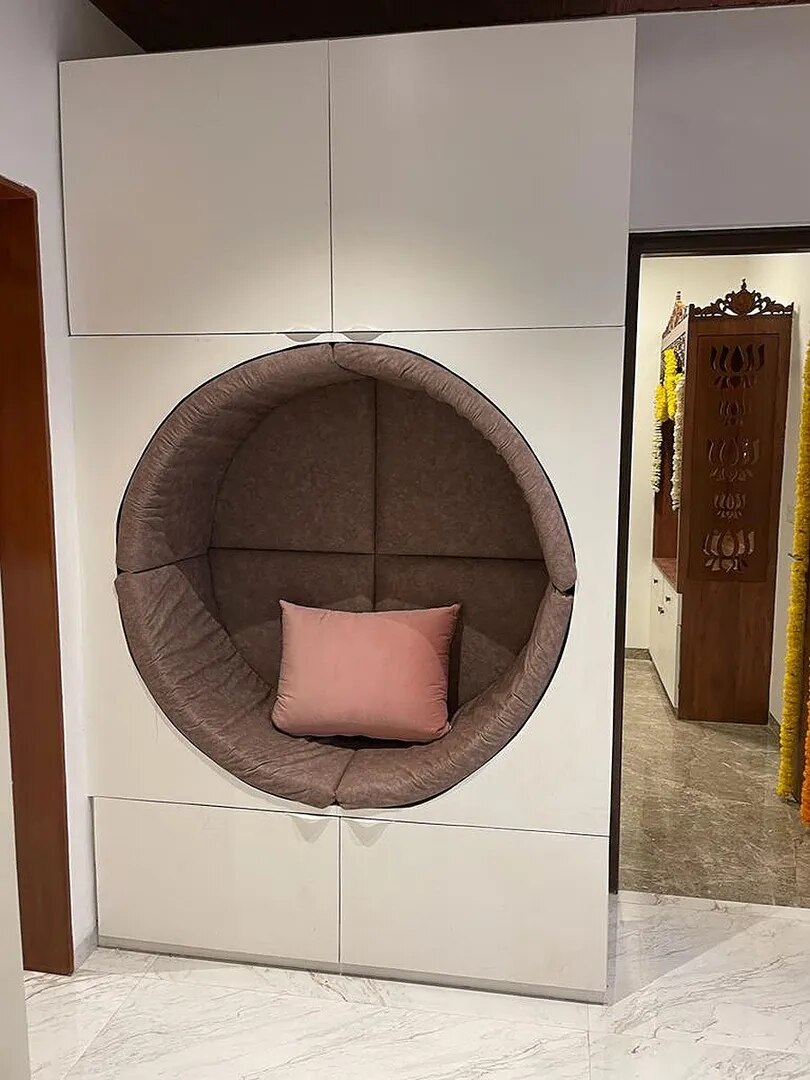
Designing a children's bedroom requires careful consideration of both functional and aesthetic aspects to create a safe, comfortable, and inspiring space. Here are some tips for designing a children's bedroom: 1. Safety First: Prioritize safety by securing furniture to prevent tipping, using childproof locks on drawers and cabinets, and ensuring that electrical outlets are covered. Avoid small parts and choking hazards in decor and accessories. 2. Age-Appropriate Design: Design the room to be age-appropriate, considering the child's current age and interests. This allows for flexibility as the child grows. Use adaptable furniture and decor that can be easily updated. 3. Color Scheme: Choose a color scheme that reflects the child's personality and preferences. Bright, vibrant colors can stimulate creativity and energy, while softer tones can promote relaxation. Consider using a neutral base color for walls and larger furniture pieces, with pops of color in decor elements. 4. Functional Furniture: Invest in functional furniture like bunk beds, loft beds with storage underneath, or trundle beds to maximize space. Include a desk for schoolwork or creative activities, and ensure there is ample storage for toys, books, and clothing. 5. Personalization: Allow your child to personalize their space with artwork, posters, and decor that reflect their interests and hobbies. Consider using chalkboard or whiteboard paint for creative expression on the walls. 6. Comfortable Bedding: Choose comfortable and age-appropriate bedding that complements the room's color scheme and theme. Ensure the mattress and pillows are of good quality to support restful sleep. 7. Creative Storage Solutions: Use storage solutions that are easy for children to access, such as low shelves, labeled bins, and open cubbies. Consider modular storage units that can be rearranged as needed. 8. Play Area: Create a designated play area with a rug and storage for toys. This area can evolve as the child's interests change. Include a reading nook with a comfortable chair or bean bags. 9. Safety Measures: Install window coverings with cordless mechanisms to prevent accidents. Ensure that furniture and decor items are made from non-toxic materials. 10. Lighting: - Provide adequate lighting for different activities, including overhead lighting, task lighting for homework, and nightlights for safety. - Consider fun and whimsical lighting fixtures that complement the room's theme. 11. Accessibility: - Ensure that items like clothes and toys are within the child's reach to encourage independence and organization. 12. Flexibility: - Design the room in a way that allows for easy updates as the child's interests and needs change. - Consider furniture that can be repurposed for different stages of childhood. 13. Organization and Decluttering: - Regularly declutter and organize the room to maintain a clean and functional space. - Involve your child in the process to teach them organization skills. 14. Theme or Style: - Incorporate a theme or style that appeals to your child, whether it's based on their favorite characters, hobbies, or interests. 15. Growth Chart: - Install a growth chart on one of the walls to track your child's height over the years. Remember to involve your child in the design process to ensure that their preferences and needs are considered. A well-designed children's bedroom can foster creativity, independence, and a sense of ownership over their space.

Other Products

view all

6814772a5d263414004dd4a4 Card 2

product image
Modular Kitchen Manufacturer

Starting a modular kitchen manufacturing business can be a profitable venture, given the increasing demand for modern kitchen solutions. Here are the steps you can follow to become a modular kitchen manufacturer: Market Research: Conduct thorough market research to understand the demand for modular kitchens in your target area. Identify your target audience, including homeowners, builders, interior designers, and contractors. Business Plan: Create a detailed business plan outlining your company's goals, budget, and strategies for marketing, production, and distribution. Legal Requirements: Register your business and obtain any necessary licenses or permits. Decide on your business structure (sole proprietorship, LLC, corporation, etc.) and register accordingly. Location and Setup: Find a suitable location for your manufacturing facility, showroom, and office space. Set up the necessary infrastructure and equipment for manufacturing modular kitchens. Design and Development: Invest in CAD (Computer-Aided Design) software and skilled designers to create modular kitchen designs. Develop prototypes and sample designs to showcase to potential customers. Sourcing Materials: Establish relationships with suppliers for materials like kitchen cabinets, countertops, hardware, and appliances. Ensure the quality and reliability of your materials. Manufacturing Process: Implement an efficient manufacturing process for producing modular kitchen components. Consider incorporating automation to improve production speed and accuracy. Quality Control: Implement strict quality control measures to ensure that each modular kitchen unit meets the highest standards. Conduct inspections at various stages of production. Marketing and Branding: Create a brand identity, including a logo, website, and marketing materials. Develop a marketing strategy that includes online and offline promotion. Showroom: Set up a showroom to display your modular kitchen designs and products. Make the showroom inviting and user-friendly to help customers visualize their future kitchens. Sales and Distribution: Hire sales representatives to target your key customer segments. Establish partnerships with builders, contractors, and interior designers. Consider e-commerce and online sales platforms to reach a broader audience. Customer Service: Provide excellent customer service, including after-sales support and warranties. Address customer concerns and feedback promptly. Pricing: Determine competitive pricing strategies based on your costs and market research. Offer customization options to cater to different budgets and preferences. Sustainability: Consider eco-friendly materials and practices in your manufacturing process to appeal to environmentally-conscious customers. Financial Management: Keep accurate financial records and monitor your cash flow. Plan for expansion and growth while maintaining financial stability. Scaling Up: As your business grows, consider expanding to new markets or offering additional kitchen-related products and services. Starting a modular kitchen manufacturing business requires careful planning and dedication. It's essential to stay updated with the latest design trends and customer preferences to remain competitive in the market. Additionally, providing exceptional quality and customer service will help you build a strong reputation in the industry.

6814772a5d263414004dd4a4 Card 2

product image
Interior Designer

Becoming an interior designer can be a rewarding career if you have a passion for creating aesthetically pleasing and functional spaces. Here are the steps to become an interior designer: 1. Education and Training: Obtain a bachelor's degree in interior design or a related field. Accredited programs by organizations like the Council for Interior Design Accreditation (CIDA) can be beneficial. 2. Gain Knowledge and Skills: Develop a strong foundation in design principles, color theory, space planning, architectural drafting, and 3D modeling. Familiarize yourself with design software such as AutoCAD, SketchUp, and Adobe Creative Suite. 3. Gain Practical Experience: Seek internships or entry-level positions with established interior design firms or architects to gain hands-on experience. Networking within the industry can help you find these opportunities. 4. Build a Portfolio: Document your design projects, even if they are personal or academic, to create a portfolio showcasing your skills and style. Continually update your portfolio as you complete more projects. 5. Licensing and Certification: Depending on your location, you may need to obtain a license or certification to work as an interior designer. Requirements vary by region and country. The National Council for Interior Design Qualification (NCIDQ) exam is a widely recognized certification in the United States. 6. Specialize and Find Your Niche: Consider specializing in a particular area of interior design, such as residential, commercial, hospitality, or healthcare design. Identifying your niche can help you target specific clients and projects. 7. Develop Business Skills: Learn the fundamentals of running a design business, including project management, budgeting, and marketing. Consider taking business courses or seeking mentorship from experienced designers. 8. Build a Client Base: Establish your presence in the industry by networking, attending design events, and joining professional organizations such as the American Society of Interior Designers (ASID) or the International Interior Design Association (IIDA). 9. Marketing and Promotion: Create an online presence through a professional website and social media profiles to showcase your work and attract potential clients. Consider creating a blog or contributing to design publications to establish yourself as an industry expert. 10. Stay Updated: Keep up with the latest design trends, materials, and technology to offer innovative solutions to your clients. Attend design exhibitions, trade shows, and conferences to stay informed. 11. Legal and Ethical Considerations: Understand and adhere to ethical guidelines within the industry, including client confidentiality and fair pricing practices. Familiarize yourself with local building codes and regulations. 12. Continuous Learning: Interior design is an evolving field, so continue to expand your knowledge and skills through workshops, seminars, and online courses. 13. Portfolio and Client Relationships: Cultivate strong relationships with your clients and deliver exceptional service to build a positive reputation and gain referrals. 14. Adaptability: Be prepared to adapt to changing client needs and market demands throughout your career. Remember that success in interior design often takes time, and it may be necessary to start with smaller projects before tackling larger, high-profile assignments. Your passion, creativity, and dedication to the field will play a significant role in your success as an interior designer.